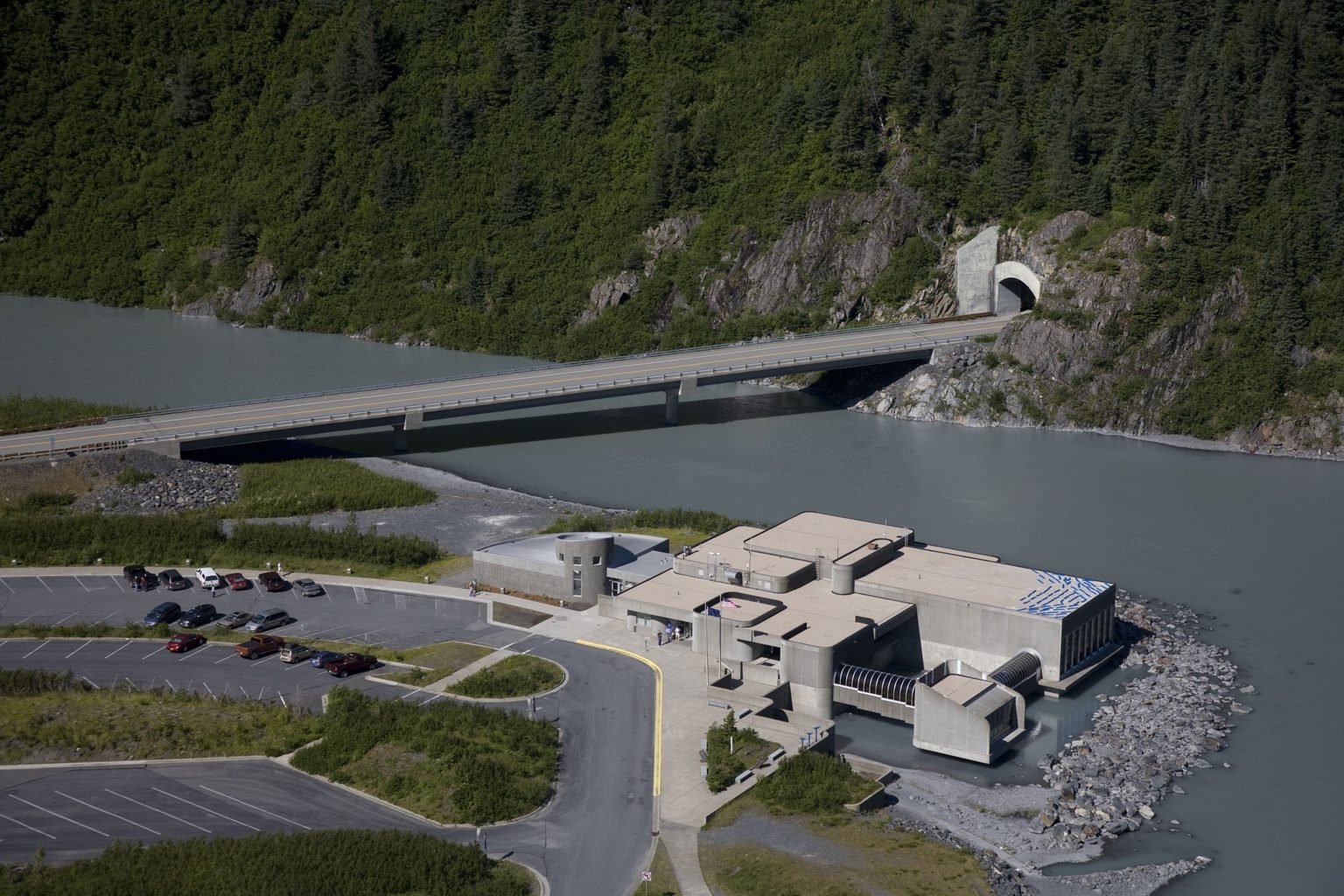
Begich, Boggs Visitor Center
0 min walk
Located at the trailhead of the Portage Lake area, this facility provides educational exhibits and information about the local geology and history.

Portage Glacier sits roughly 50 miles southeast of Anchorage along one of Alaska's most scenic corridors. Whether you rent a car, join a shuttle, or arrange private transport, the route follows the Seward Highway through Turnagain Arm before branching onto Portage Glacier Road. This guide walks through each option so you can choose the method that fits your schedule and comfort level.
Quick answer
The drive from Anchorage to Portage Glacier takes approximately one hour via the Seward Highway (AK-1 South) and Portage Glacier Road. Rental cars offer the most flexibility, especially for stopping at pullouts along Turnagain Arm. Shuttle services run seasonally from downtown Anchorage, typically May through September, and include round-trip transport. Winter travelers should check road conditions and carry tire chains, as ice and snow can close or restrict access between October and April.
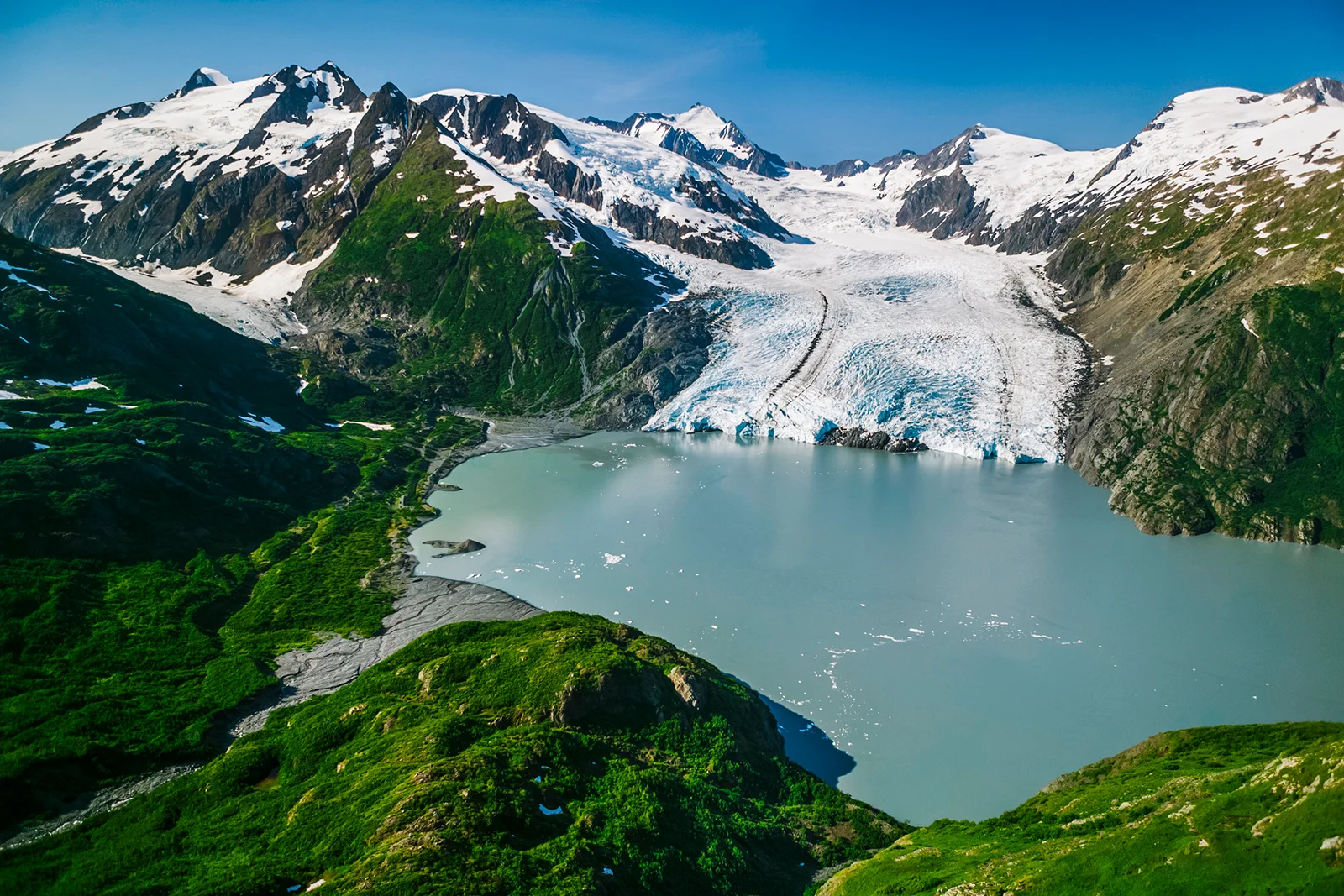
Portage Glacier Road branches east from the Seward Highway at mile 78.9, five miles past the town of Girdwood. The turnoff is well marked, but first-time visitors often mistake the earlier Alyeska Resort exit for the glacier access. Once you leave the highway, the six-mile spur road follows Portage Creek through a wide glacial valley framed by the Chugach Mountains. The pavement ends at the Begich, Boggs Visitor Center on the shore of Portage Lake, where the glacier calves icebergs visible across the water. Rental cars from Anchorage airport give you control over timing and let you explore other Turnagain Arm landmarks—Beluga Point, Bird Creek, and the Twentymile River wetlands—on the same trip. Most major agencies stock all-wheel-drive SUVs, which handle gravel pullouts and occasional spring washouts better than sedans. Fill the tank in Anchorage or Girdwood; no fuel is sold along Portage Glacier Road. Parking at the visitor center is free, and the lot accommodates roughly 80 vehicles, though summer weekends between late June and mid-August can fill by mid-morning. Shuttle operators typically depart Anchorage hotels between 8:00 and 9:00 a.m., spend two to three hours at the glacier, and return by early afternoon. These services bundle transport with optional boat tours on Portage Lake, and they eliminate the need to navigate or watch for wildlife on the highway. Private shuttle bookings allow custom departure times and multi-stop itineraries, though they cost significantly more than shared coach options. If you're traveling to Portage Glacier from Anchorage without a car, confirm whether your shuttle includes the visitor center admission fee or boat cruise in the quoted price. Road conditions shift with the season. Summer offers the longest daylight and the calmest weather, but also the heaviest traffic and the highest chance of road construction delays near Potter Marsh and Indian. Autumn brings fewer visitors and vivid foliage along Turnagain Arm, though rain and early snow can slick the pavement after mid-September. Winter closes the Portage Lake boat tours and limits visitor center hours, but the drive itself remains passable with proper tires and caution. Spring melt sometimes floods low sections of Portage Glacier Road in late April, so check the Chugach National Forest road-status line before heading south.
“The turnoff is well marked, but first-time visitors often mistake the earlier Alyeska Resort exit for the glacier access.”
Portage Glacier is located near Girdwood, approximately 60 miles southeast of Anchorage. The most direct route is via the Seward Highway, which offers a straightforward drive along the Turnagain Arm.
Seward Highway (AK-1) to Portage Glacier Road
Private shuttle services from Anchorage to Girdwood/Portage
Seward Highway (AK-1) from Anchorage airport
Rental cars are the primary method of transportation as public transit options to the glacier are limited. Secure your vehicle in Anchorage before departing, as there are no rental facilities at the visitor center.
The Begich, Boggs Visitor Center operates on a set weekly schedule from Thursday through Sunday. Please plan your visit accordingly as the center remains closed during the early part of the week.
The best arrival window is 09:00–12:00. Mornings are typically calmer with less wind across Portage Lake, providing more stable conditions for your visit.
Cool to mild, 50-65°F
Peak travel season occurs from June through August when access is most consistent.
Cool, 35-50°F
Visitor numbers decrease in September and October as temperatures drop.
—
Arriving between 09:00 and 12:00 avoids the heaviest daily traffic and benefits from calmer lake conditions.
Verdict: For the quietest experience, plan your visit for a weekday morning between June and August, arriving at 09:00.
Visitors planning a trip to Portage Glacier should be aware of the admission costs for the Begich, Boggs Visitor Center. Fees are required for access to the facility's educational exhibits and film presentations.
Verdict: A typical adult pays 5 USD for admission, which grants access to all movies and exhibits at the Begich, Boggs Visitor Center.
The area surrounding Portage Lake features several accessible points of interest that complement a visit to the glacier. These locations are situated along the same route from Anchorage, allowing for efficient trip planning.
0 min walk
Located at the trailhead of the Portage Lake area, this facility provides educational exhibits and information about the local geology and history.
5 min drive
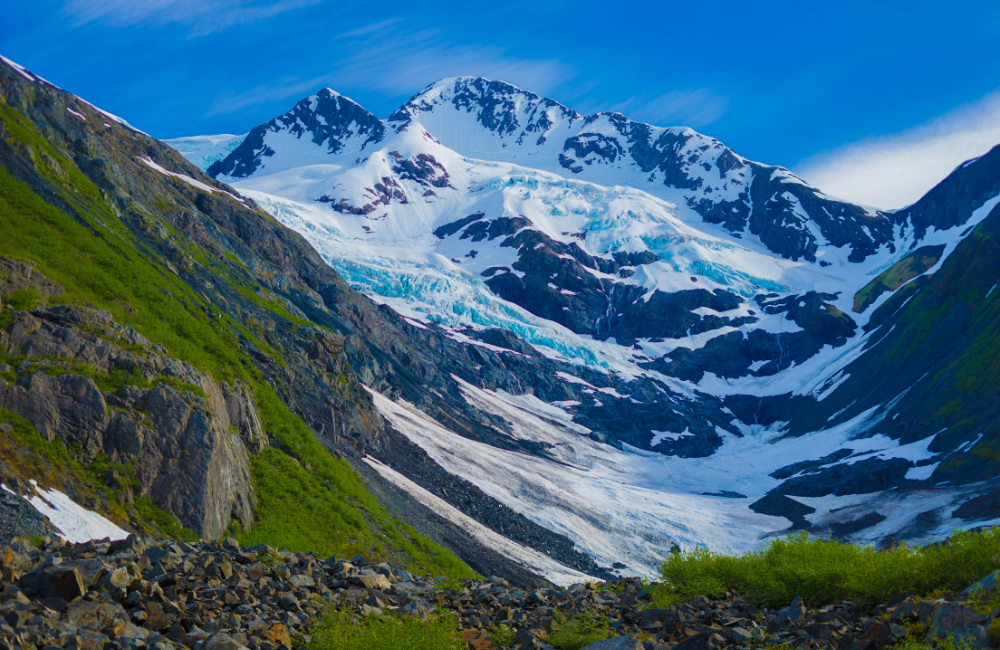
This 1.2-mile trail offers a relatively flat hike leading to views of a hanging glacier, providing a closer look at glacial features.
15 min drive
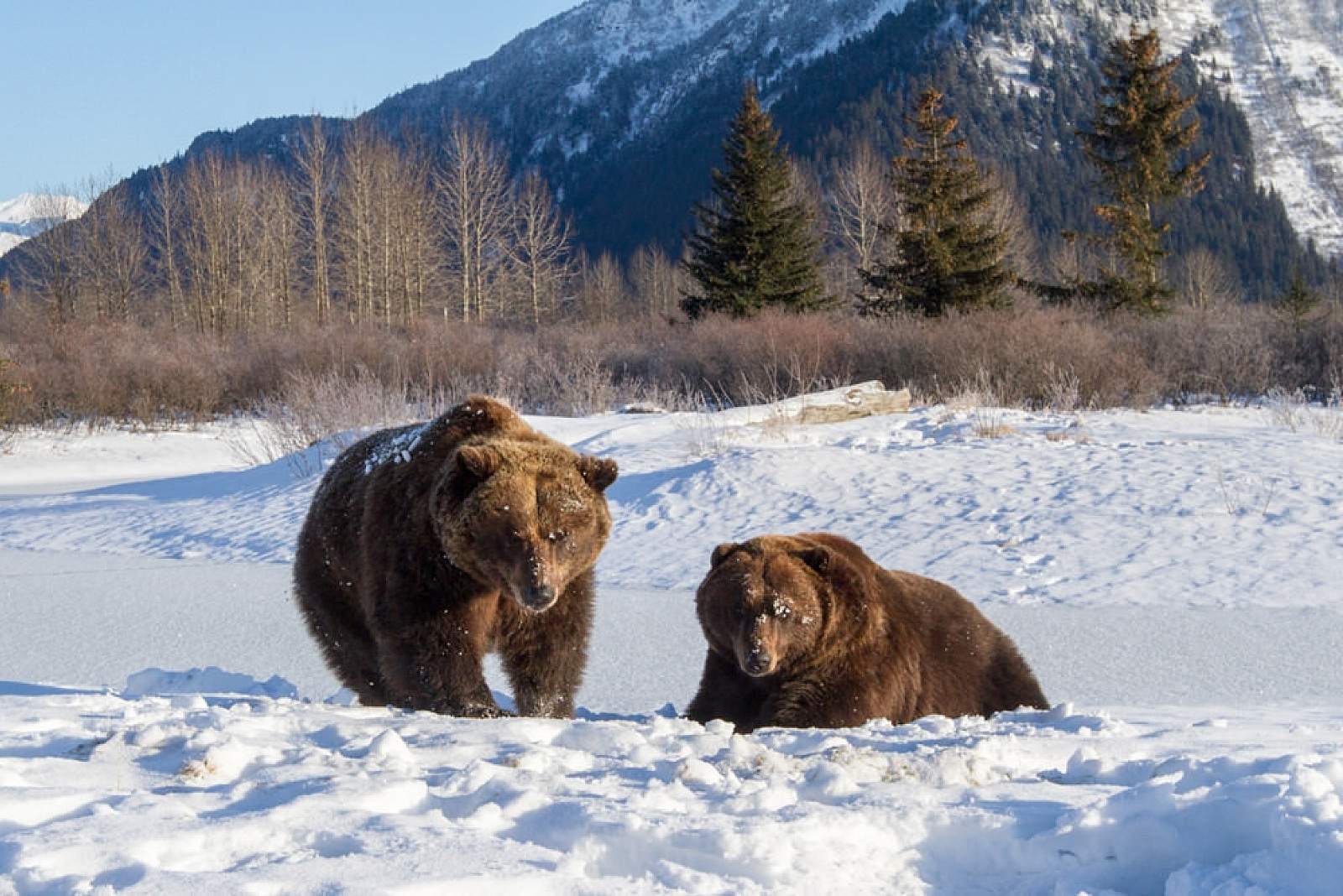
This facility focuses on the preservation and rehabilitation of native Alaskan animals, making it a logical stop on the return drive toward Anchorage.
5 min drive
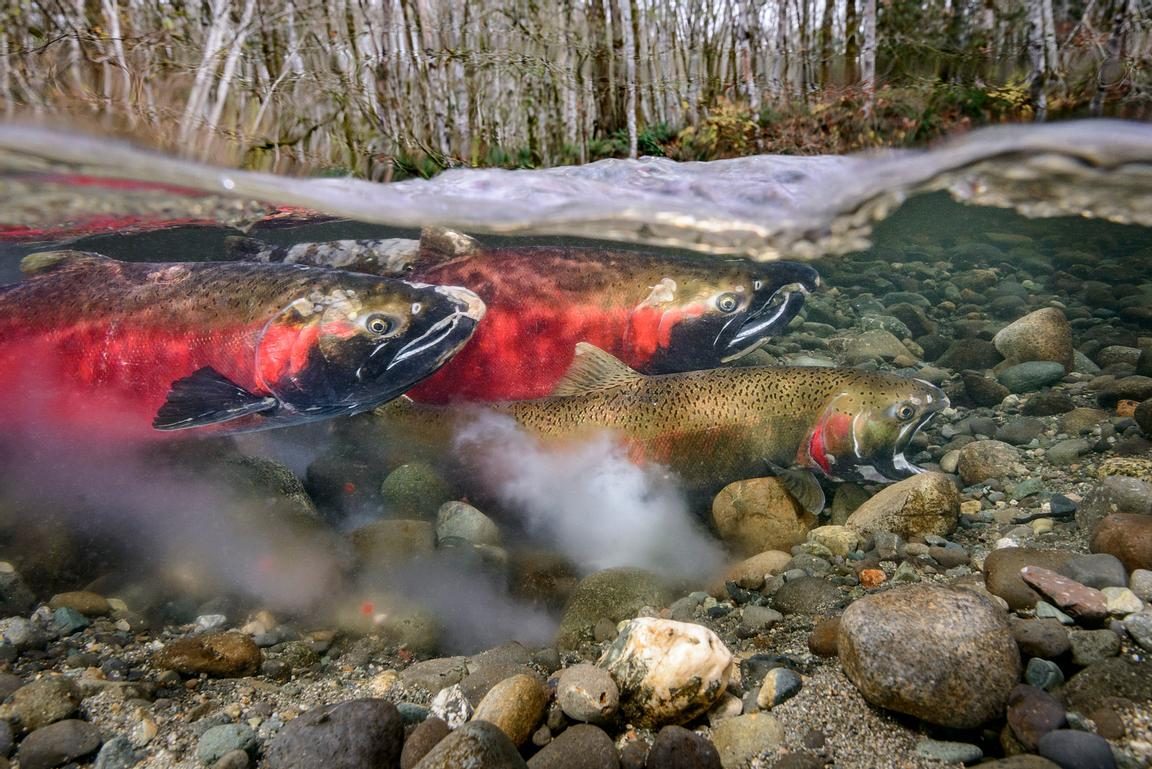
This short, flat trail is located near the Williwaw Campground and offers opportunities to observe salmon spawning in the creek during late summer.
Everything you need to know about how to get to portage glacier from anchorage
Travelers typically drive south on the Seward Highway to reach the site, which takes approximately one hour. This route offers direct access to the Portage Lake area and the Begich, Boggs Visitor Center.
While some private tour operators may provide transport, public transit options are limited, making rental cars the most common way to get to Portage Glacier from Anchorage. Visitors should arrange private vehicle services in advance if they prefer not to drive.
The best arrival window is 09:00–12:00, as mornings are typically calmer with less wind across Portage Lake. Planning your visit during this time helps ensure a more comfortable experience.
The entrance fee is 5 USD for admission to movies and exhibits at the Begich, Boggs Visitor Center. This fee provides access to the educational displays located at the site.
The facility is open Thursday through Sunday from 09:00–17:00. Please note that the center is closed Monday through Wednesday.
Rental cars are a popular choice for those learning how to get to portage glacier from anchorage at their own pace. Ensure you check availability in the city before departing on your journey.
When planning how to get to portage glacier from anchorage, verify the current seasonal weather conditions and operating schedule. Always check the official website for any updates regarding road access or facility status.